
Wetland Vegetation Management
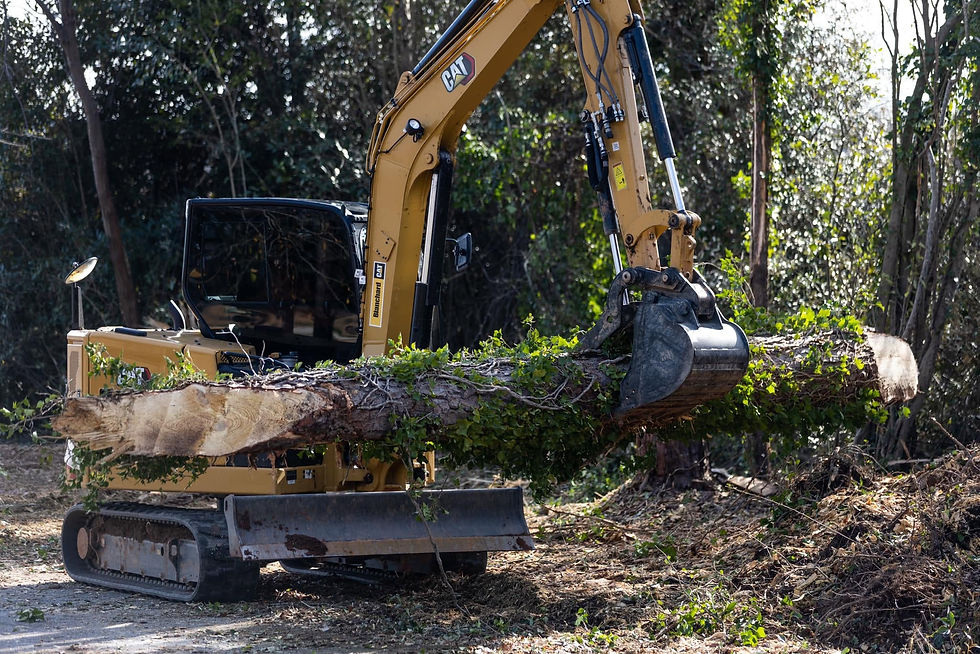
Midwest Land Development helps property owners manage unwanted vegetation in wet, low-lying, and seasonally saturated areas. Every project begins with an evaluation of access, ground conditions, drainage patterns, and applicable site limitations.
A Site-Specific Approach to Wet and Low-Lying Areas
Dense vegetation can limit access, restrict visibility, and make wet areas difficult to inspect or maintain. However, these locations require a different approach from ordinary land clearing because soil stability, drainage, habitat, and regulatory considerations may affect what work is appropriate.
We define a targeted work area and plan around the existing conditions. Depending on the property, approval or guidance from the appropriate authority may be required before work begins.
What We Can Help With
Unwanted vegetation removal
Clear approved brush, weeds, saplings, and obstructive growth.Invasive-growth management
Address invasive vegetation affecting access or desirable plant communities.Perimeter and buffer-area clearing
Reclaim designated edges without automatically disturbing the entire area.Inspection-access improvement
Create access for property observation and ongoing maintenance.Drainage-feature visibility
Clear approved vegetation around existing swales, outlets, or other visible features.Continued maintenance planning
Establish practical next steps for monitoring and managing regrowth.
Why Choose Us
Careful Planning Before Work Begins
Wet and low-lying properties require attention to access, soil disturbance, water movement, and project limitations. Midwest Land Development evaluates these factors before establishing the scope and avoids treating sensitive ground like a standard clearing project.
FAQs
Is vegetation removal allowed in every wet area?
No. Some wetlands, shorelines, buffers, and drainage areas are regulated. The property owner may need to obtain authorization or confirm that the proposed work is permitted.
Can all vegetation be removed?
Not necessarily. The appropriate scope depends on site conditions, project goals, applicable requirements, and which plants should remain.
Will vegetation management dry out the property?
No such result can be guaranteed. Vegetation management does not change groundwater, soil type, rainfall, or every underlying cause of wet conditions.
Will the vegetation grow back?
Some plants may regrow from roots, seeds, or nearby growth. Continued monitoring or repeated management may be necessary.
Can heavy equipment access wet ground?
Access depends on soil conditions, saturation, slopes, and the potential for disturbance. Timing or alternative methods may be recommended after the site is evaluated.
Need Help Managing an Overgrown Wet Area?
Send us photos and information about the property. We’ll review the site conditions and help identify an appropriate starting point for the project.